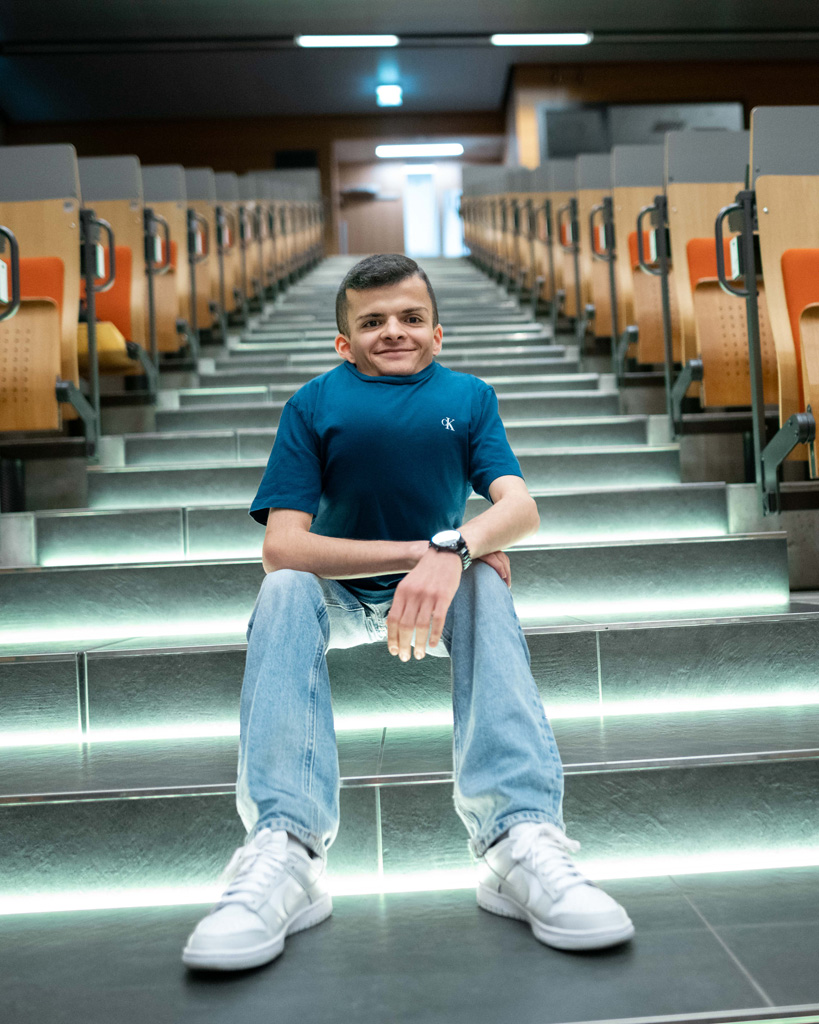
Berkay Yurtseven
At UDE, I learned that studying isn’t just about learning, but also about helping to shape things and making a difference.
My studies
‘Industrial Engineering’ (B.Sc.) at the Faculty of Engineering at the University of Duisburg-Essen
That’s what I did before I went to university
A-levels
My tip for prospective students
Don’t let it drive you crazy and enjoy your time at university
How do you like studying at the UDE?
I love my degree programme! It combines technology and economics, which makes it versatile and practical. Business studies alone was too dry for me; I wanted more. I particularly like the internships, for example in materials engineering, where we can conduct our own experiments. I have also been able to apply economic content such as accounting and human resources management in my everyday life. This shows that the degree programme has real added value.
You’ve just completed a semester abroad – what did you gain from the experience?
I was in Indonesia as part of an East Asian programme for engineering sciences. It was an enriching experience. I found the different learning culture particularly exciting: there was a lot of project work and oral examinations – fewer written exams. But I also gained a lot culturally. I was impressed by the warmth, openness and community spirit on campus. I definitely want to go back to Indonesia. But first, I have to complete my master’s degree in industrial engineering with a specialisation in mechanical engineering here in Duisburg.
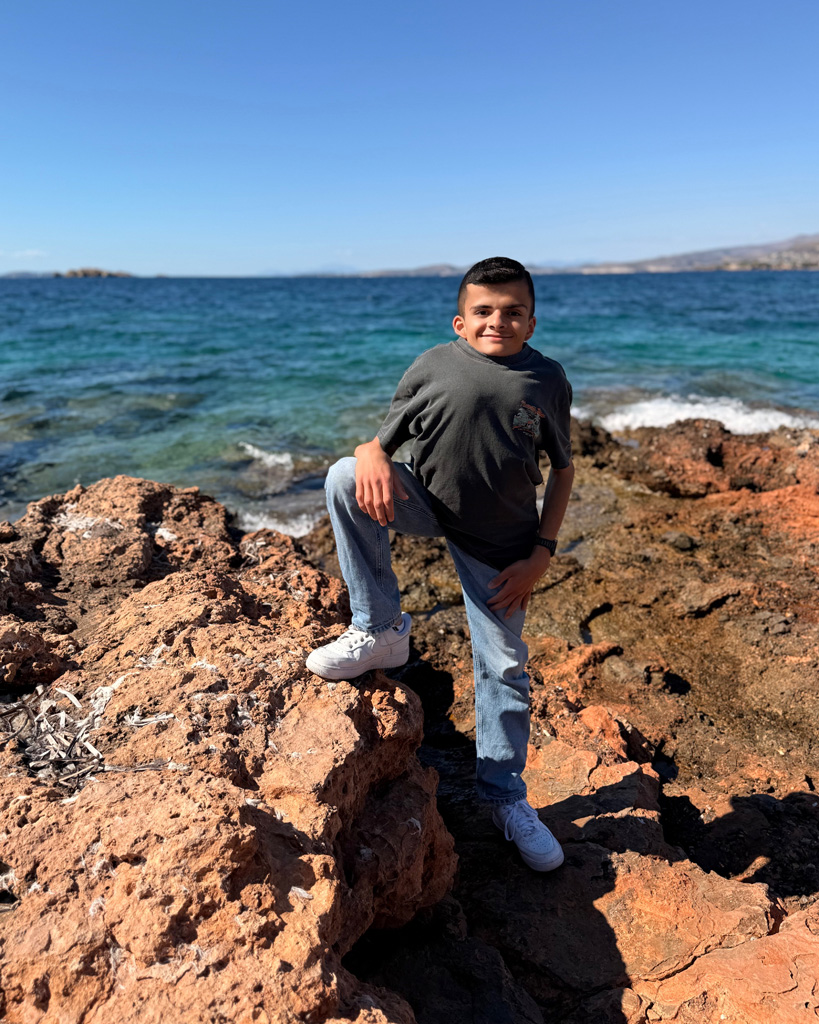
(Picture: private)

(Picture: private)
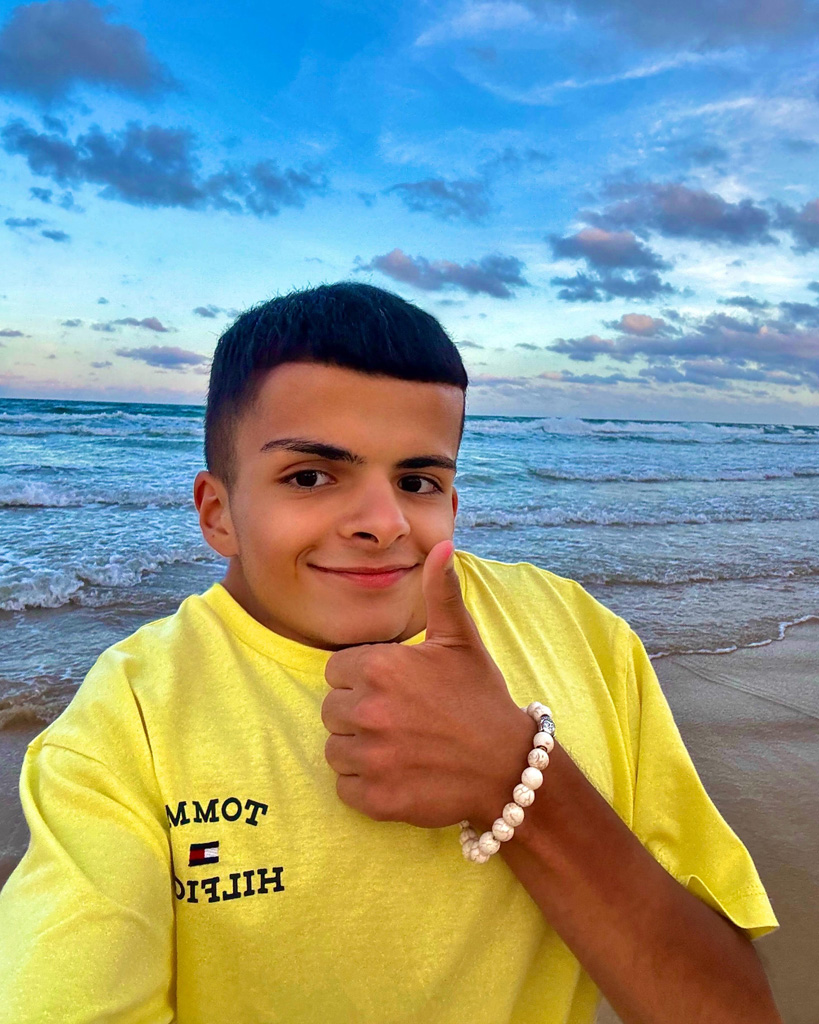
(Picture: private)
You are very involved at university. Why is volunteering so important to you?
I am active in the student council, the BCKS (department for students with disabilities and chronic illnesses), the examination board and the quality improvement commission. I didn’t just want to study, I also wanted to shape things and help other students in a concrete way.
At BCKS, I am particularly keen to raise the profile of what we offer – to this end, we have set up an Instagram channel and launched new formats for exchange. In the student council, we have organised WhatsApp communities to make it easier for new people to network.
I can only advise everyone to get involved: you meet great people, develop yourself further and can really make a difference. Many people don’t even know how much co-determination is possible at university. And yes, it’s also a plus on your CV.

(Picture: UDE/Fabian Strauch)

(Picture: UDE/Fabian Strauch)
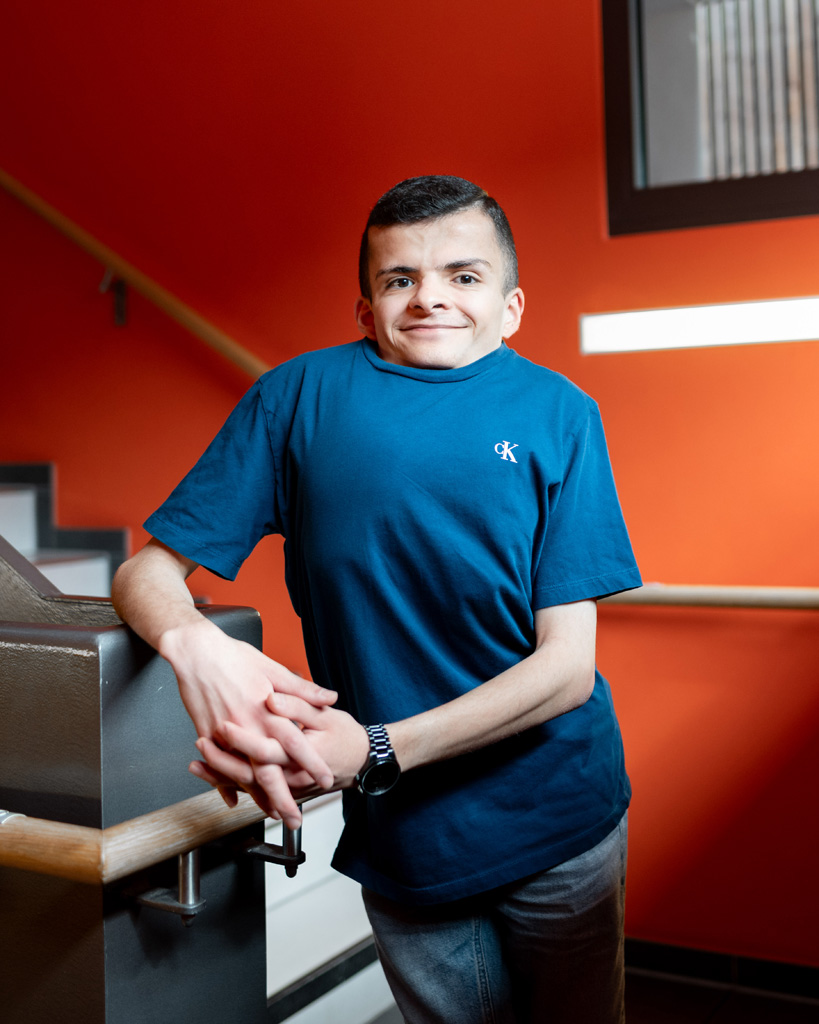
(Picture: UDE/Fabian Strauch)
How do you experience accessibility at the UDE?
I have a disability myself and therefore take advantage of disability accommodations, which means I have more time during exams, for example. That is a great help. However, getting to this point was not easy: at school, I had a designated contact person, but at university I had to research a lot of things myself. It was only through the inclusion advisory service that I found out about the BCKS. That’s when I realised that I wanted others to find this path more quickly. That’s why I’m involved there today.
How do you manage to juggle everything?
This works mainly through dedicated teamwork. We divide up tasks and support each other. For example, I also have a regular study group at university that I meet with regularly. Many things are easier when done together.
(The interview was conducted by Janina Balzer in June 2025.)